1. Actual Distillation Sequence (Light to Heavy)
“When dealing with VLSFO Sludge and Fuel Incompatibility, many Chief Engineers face a nightmare in the engine room.”
In a fractionating column, crude oil is heated, and components are separated based on their boiling points. Lighter gases rise to the top, while heavier, viscous residues remain at the bottom.
| LPG | Lightest fraction, vaporizes first. |
| GASOLINE / NAPHTHA | GASOLINE / NAPHTHA: |
| PARAFFIN (Kerosene) | Jet fuel and heating oil. |
| DIESEL OIL / GAS OIL | Marine fuels such as MGO and DO. |
| LUBRICATING OIL | Used for engine and machinery lubrication. |
| HEAVY FUEL OIL (HFO) | Highly viscous oil with a very high boiling point. |
| RESIDUE (Asphalt) | The heaviest leftover after distillation. |
2. The Genealogy of Refining and Its Inherent Limitations
All marine fuels originate from the same source—Crude Oil—but their destiny is shaped by the distillation order.
- Extra-light: LPG → Gasoline → Naphtha
- Intermediate: Paraffin (Kerosene) → Diesel / Gas Oil
- Heavy & Residue: Lub Oil → HFO → Residue (Asphalt)
The key component to note here is Lubricating Oil. Positioned between HFO and Diesel, it is more refined than HFO but still retains the complex characteristics of heavy oils. The further down a fraction sits in this genealogy, the higher the concentration of impurities and complex molecular structures, which is the root cause of fuel-related issues.
3. Dual Perspectives on Fuel Classification: Viscosity vs. Sulfur Content
To master fuel management, one must evaluate fuel through two distinct lenses:
- Physical Property (Viscosity): Determines mechanical behavior and transfer efficiency. The distinction between LFO and HFO is essentially a measure of how easily the engine can ‘digest’ the fuel.
- Environmental Standard (Sulfur Content): Determines the vessel’s regulatory compliance and “right to sail.”
- HSFO (≤ 3.5%): Traditional High Sulfur Fuel Oil.
- LSFO (≤ 1.0%): Low Sulfur Fuel Oil for ECA zones.
- VLSFO (≤ 0.5%): The current global standard.
- ULSFO (≤ 0.1%): Ultra Low Sulfur Fuel Oil for berthing and special areas.
4. The VLSFO Tragedy & Fuel Incompatibility

VLSFO is not a single refined product. It is a “Cocktail Fuel,” created by refineries blending various stocks to meet the under 0.5% sulfur limit. This process inevitably leads to Incompatibility.
■ The Mechanism of Sludge Explosion: The Betrayal of Asphaltenes
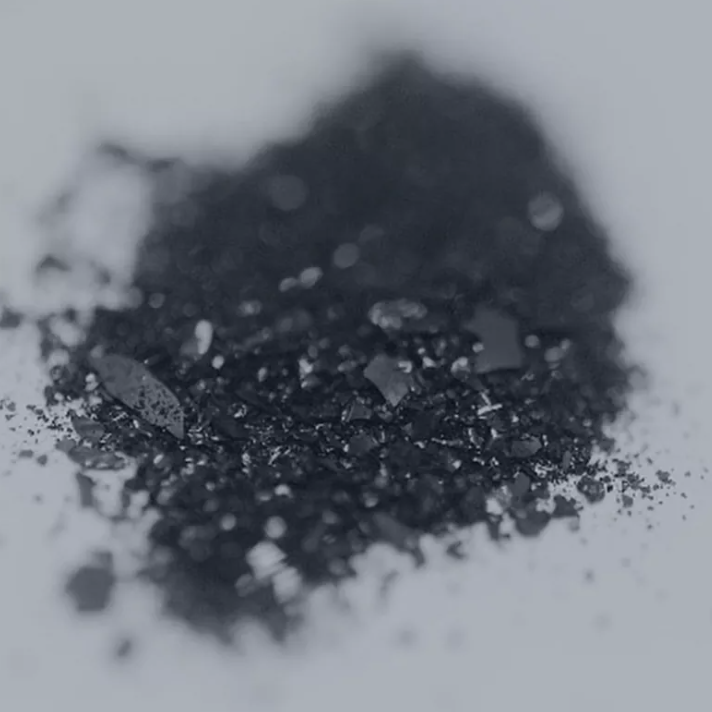
Fuel oil contains Asphaltenes—sticky, solid components.

- Stable State: Normally, asphaltenes are stably dissolved in Aromatic-rich fuel oils in a colloidal state.
- The Trigger: To lower sulfur content, a large amount of Paraffinic light oil (like MGO) is blended in.
- The Collapse: Once the paraffin concentration exceeds a certain threshold, the solvency power of the aromatics holding the asphaltenes is neutralized. Consequently, the “homeless” asphaltenes flock together, forming massive sludge deposits.
5. On-Site Threats: When is it Most Dangerous?
While sludge can form during the refining process, arbitrary co-mingling on board the vessel is the most lethal.
- The Clash of Genealogies: When paraffinic VLSFO meets aromatic VLSFO in a tank, an immediate chemical rejection occurs, paralyzing strainers and filters.
- The Paradox of Temperature: HSFO and VLSFO require different Purifying Temperatures. Incorrect temperature settings accelerate sludge formation and drastically reduce purifier efficiency.
6. Defensive Strategy: Smart Fuel Management
To stop the “screaming” of filters and protect the engine, the Chief Engineer must establish two lines of defense:
- Spot Test (Field Analysis): Before bunkering, always perform a compatibility test with existing stocks to ensure a “Clean Spot” is maintained. A dark ring in the center is a precursor to a major blackout.
- Segregation (Tank Separation): The most classic yet effective prevention. Strictly separate tanks by fuel type and bunker batch to fundamentally block the risk of incompatibility.
Facing similar issues onboard?
We provide technical troubleshooting and ship repair support in Korea.
Best Regards
KC KIM l Founder of The Vessel Code