
1. Introduction: Beyond Geographical Boundaries
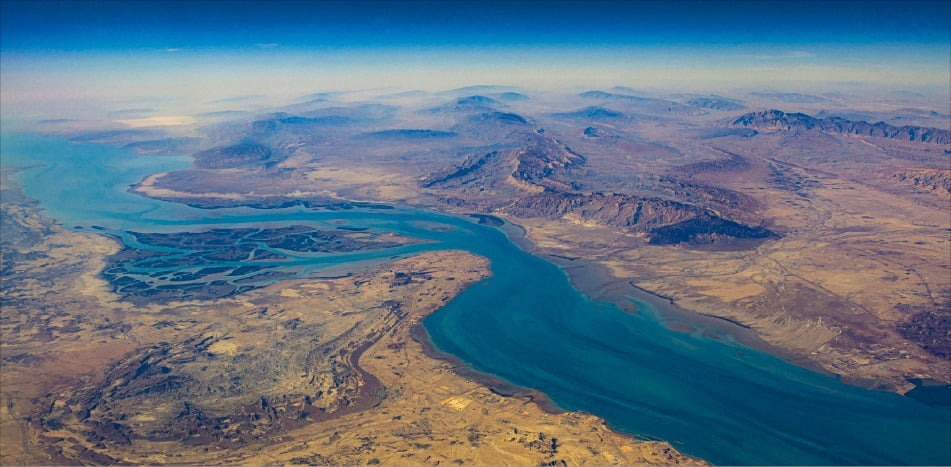
The Strait of Hormuz is more than just a waterway; it is the jugular vein of the global energy system, with 20% of the world’s petroleum liquids passing through its narrow gates daily. Historically, the order of this strait was defined by a simple, binary logic: U.S. Naval protection and U.S. Dollar dominance.
However, recent shifts suggest that this historical “pax-maritima” is facing a structural evolution. We are entering an era where maritime risk is determined not by geography, but by complex layers of military alliances, currency systems, and geopolitical diplomacy.
2. The Erosion of Pax Americana: From ‘Protection’ to ‘Selective Safety’
The traditional maritime insurance model was effectively built on the presence of the U.S. Navy. However, a new paradigm is emerging:
- Selective Engagement: The recent hesitation of traditional allies to engage in collective military action indicates that maritime safety is becoming increasingly dependent on individual national interests rather than a unified global standard.
- The Shift in Risk: For shipping companies, “Flag Risk” is no longer just about the vessel’s registration; it is now about the geopolitical alignment of the shipowner and the cargo’s origin.
3. Currency as a Navigational Tool: The ‘Petro-Yuan‘ Scenario
The most disruptive element in the current landscape is not military—it is financial. Systemic Re-alignment: If regional powers begin to prioritize specific currencies (e.g., CNY) for transit security or transaction clearance, it signifies a fundamental shift toward a multipolar maritime system.
- The Rise of Petro-Yuan: If certain vessels are granted “Safe Passage” based on their transaction currency, the shipping industry must adapt to a dual-currency (USD/CNY) operational framework.
- Operational Impacts: This goes beyond simple bookkeeping. It will fundamentally alter Charter Party agreements, Bunker payment structures, and Freight settlement processes.
4. China’s Positioning: Architect of a New Maritime Order?
As a primary importer of crude oil and a leading advocate for Yuan-based trade, China’s role is evolving from a mere participant to a systemic architect.
- Economic Blocks as Safety Shields: Maritime security may soon be guaranteed not by the size of a fleet, but by the economic block a shipping company belongs to.
- Risk Premiums: Strategic partnerships with Chinese entities may soon act as a “Risk Premium” discount for vessels navigating sensitive corridors.
5. Technical Perspective: From ‘Flag Risk’ to ‘Systemic Exposure’
As technical experts, we must look at the direct operational consequences:
- Bunker Sourcing Dynamics: Changes in payment systems will force a re-evaluation of bunkering hubs and suppliers.
- Voyage Routing & Logistics: Political volatility will lead to sudden routing changes, increasing the risk of Off-hire and technical strain on machinery.
- Insurance Volatility: War Risk Premiums will no longer be flat; they will fluctuate based on the “Systemic Risk” of the vessel’s operation.
6. Conclusion: Navigating Systems, Not Just Waters
The fundamental truth for the modern maritime professional is this: Risk is no longer where you sail; it is under which system you operate.
Ships no longer just pass through a physical strait; they pass through a triple-filter system:
- Military System (Alliances)
- Financial System (Currency)
- Diplomatic System (Geopolitical Blocks)
Success in the future of maritime excellence requires the ability to navigate all three with precision.
Kyoung-chul Kim
Chief Engineer & Technical Strategist
Founder of The Vessel Code