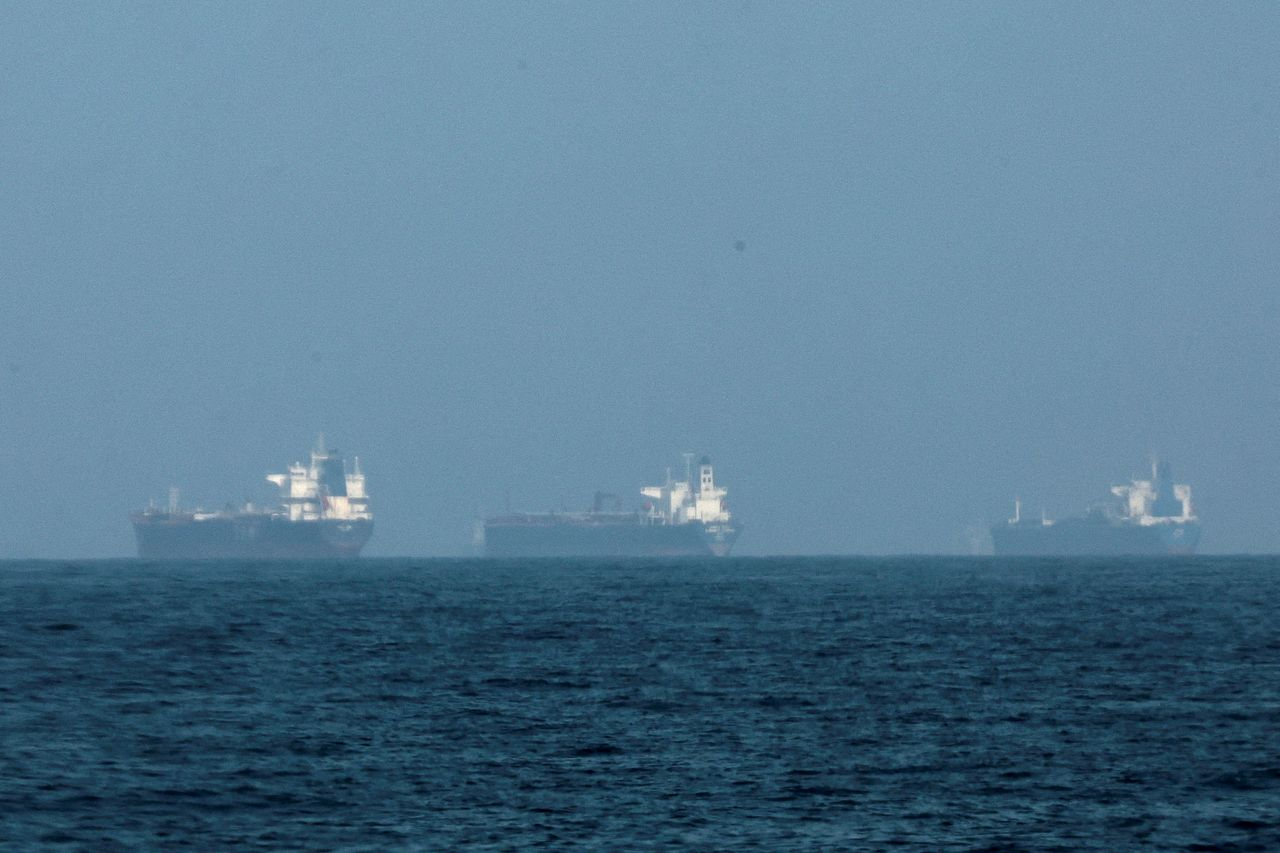
Geopolitical risks in shipping have reached a critical point due to the escalating US-Iran tension. The Strait of Hormuz, through which 20% of the world’s oil trade passes, is more than just a passage for the maritime industry—it is a lifeline. The moment this “choke point” is ignited, we will witness a massive paralysis of the global economy that goes far beyond simple transportation delays.

1. Blockade of the Strait of Hormuz: Geopolitical Risks in Shipping
A blockade of the Strait of Hormuz by Iran would immediately sever the supply chain for Middle Eastern crude oil. This would trigger a global surge in oil prices, leading to a decline in stock markets and a contraction in consumption due to uncertainty. If this situation persists, the fear of “stagflation”—where global inflation accelerates due to entrenched energy price hikes—will overwhelm the geopolitical risks n shipping landsacpe.
2. Operational Paralysis and Declining Profitability (Economic Impact)
The designation of “War Risk Zones” implies an exponential surcharge on insurance premiums. Drawing from my experience as a marine engineer on the front lines, this is not merely a matter of rising costs.
2.1. Collapse of the Refined Oil Supply Chain:
Blockages in Middle Eastern routes disrupt the supply of refined oil, leading to an imbalance in vessel fuel (bunker) supply.
2.2. Deteriorating Profitability:
Soaring operating costs directly hit Voyage Profitability, often resulting in situations where shipowners incur losses the more they operate. Ultimately, the loss of price competitiveness due to inflation will deal a fatal blow to the consumer economy.
3. Navigating the Shifting Routes: Strategic Responses to Regional Instability
The uniqueness of the Strait of Hormuz lies in the fact that “detour routes” are virtually non-existent. For Sunni oil-producing nations such as Saudi Arabia, Kuwait, the UAE, and Qatar, this strait is the only exit.
Iran appears to be utilizing this geographically, religiously, and economically to pressure Sunni nations and reshape the market. In a geopolitical landscape where these nations confront Iran, a blockade would cause physical isolation of vessel capacity even before we can discuss an increase in Ton-Miles. This is more than just a “supply chain reorganization”; it signifies a “forced halt” of maritime logistics. The resulting shortage of shipping capacity will plunge the global logistics system into an unprecedented crisis.
4. Conclusion: Systematize “Tacit Knowledge” into a Digital Code
Understanding geopoliticl risks in shipping is the first step to resilience. Geopolitical risks are variables beyond our control. However, how we respond to them is within our power. The Vessel Code suggests: risk is not something to be avoided, but “managed.”
The era of relying solely on outdated practices or the “tacit knowledge” of a few experts is over. We must now build a standardized manual (Code) driven by data to handle these crisis situations. In a volatile political climate, the only way to efficiently manage a ship’s engine and protect a shipowner’s finances is to have a “digital code” that responds with a calculated system.
The companies that survive the roughest seas will not be those that are lucky, but those with the most precise and systematized response codes.
Check out our previous post on [Maritime Insights]
Kyoung-chul Kim
Chief Engineer & Technical Strategist
Founder of The Vessel Code